Underwater Archaeological Monitoring

Underwater archaeological monitoring is today one of the most complex and urgent challenges in the conservation of submerged cultural heritage. These sites, often invisible and difficult to access, preserve unique testimonies of human history. However, they are also exposed to significant risks such as natural degradation, looting, and unauthorized intrusions. In this context, the adoption of advanced systems for continuous monitoring and certified activity recording is an effective and necessary solution.
A system based on continuous monitoring first of all allows real-time observation of the environmental and structural conditions of submerged sites. For example, parameters such as temperature, salinity, marine currents, and the presence of biological agents can be detected and analyzed with extreme precision. As a result, this approach not only improves preventive conservation but also reduces the need for invasive interventions that could further compromise the integrity of the artifacts.
In parallel, the implementation of certified logs ensures traceability and transparency of all activities carried out within the protected area. In other words, every access, inspection, or operation is securely and verifiably recorded, creating a sort of “digital memory” of the site. Furthermore, this acts as an effective deterrent against illegal intrusions and the illicit trafficking of cultural assets, unfortunately widespread phenomena. Likewise, the availability of certified data supports the work of the competent authorities, providing a reliable basis for analysis and strategic decision-making.
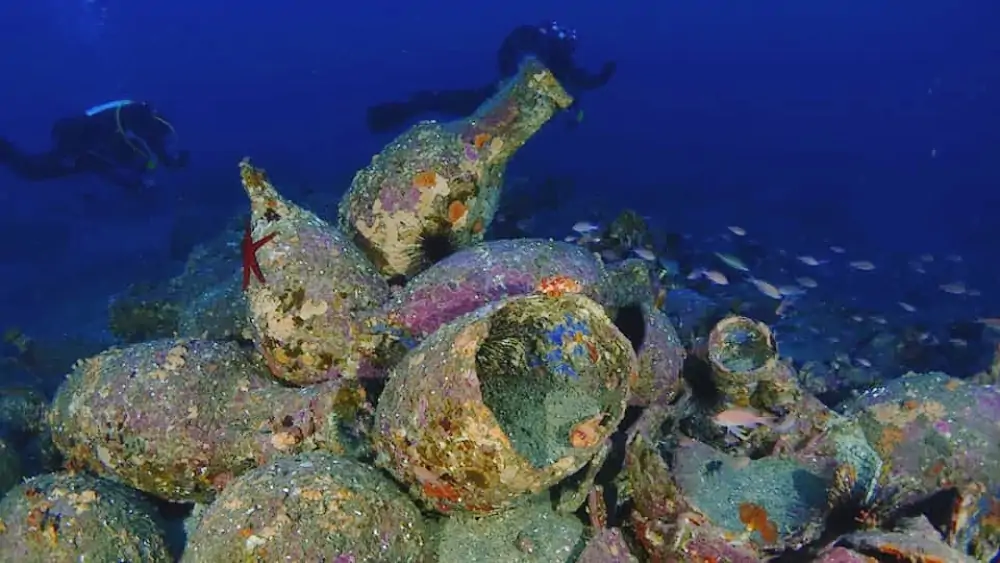
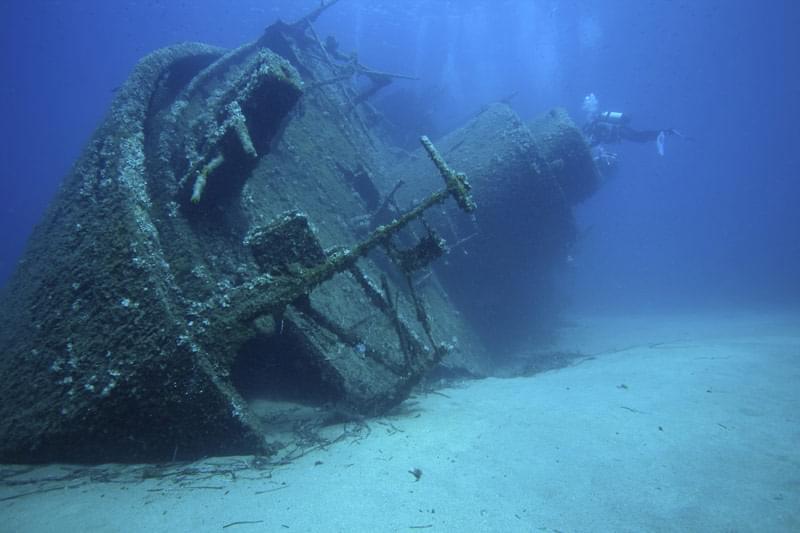
Another advantage of this system lies in its ability to enable controlled digital access to submerged heritage. Specifically, these sites can be made accessible to a wide audience without compromising their protection. In this way, virtual visitors can explore otherwise inaccessible environments and experience an immersive journey, while operators maintain full control over physical access. This balance between accessibility and protection represents a key step toward sustainable management.
In addition, digitalization and continuous monitoring promote international collaboration among experts in the field. For this reason, the collected data can be shared among institutions, universities, and research centers, fostering a continuous exchange of knowledge. Finally, this integrated approach strengthens the global capacity to protect submerged cultural heritage, which often belongs to a shared history beyond national borders.
In conclusion, the use of continuous monitoring systems and certified logs represents an innovative and essential strategy for the protection of underwater museums. Moreover, these tools contribute to the long-term enhancement of historical heritage. Implementing proper underwater archaeological monitoring therefore means making history safely and sustainably accessible for future generations.
WAILS SRL
Via Solferino e San Martino, 14 | 46100 | Mantua (Italy)
Tel. +393409828077 / +393404115627
Email: info@wails.it